All About Bone Conduction Headphones
Instead of sending sound through the air (like normal headphones), they send sound as vibrations through your cheekbones directly to your inner ear. All About Bone Conduction Headphones
4 min read
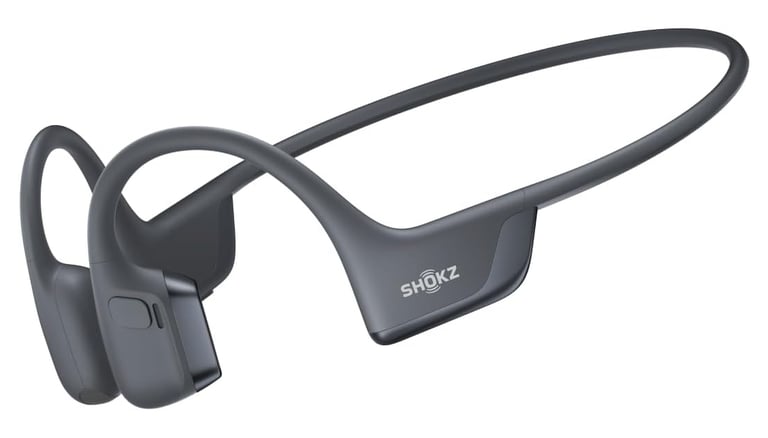
If you’ve ever seen someone running or cycling while listening to music—but still aware of everything around them—you’ve probably seen bone conduction headphones in action.
These headphones are becoming popular fast, especially among fitness enthusiasts and people who care about safety and comfort. But before buying one, most people ask the same questions:
Are they safe?
Do they actually work?
Are they better than regular headphones?
This guide answers every important question one by one, so you can decide if they’re right for you.
What Are Bone Conduction Headphones?
Bone conduction headphones are a different type of audio device that does not go inside your ears or cover them.
Instead of sending sound through the air (like normal headphones), they send sound as vibrations through your cheekbones directly to your inner ear.
Simple Example:
Think of it like this:
When you cover your ears and speak, you can still hear your own voice. That’s because vibrations travel through your skull. Bone conduction headphones use the same idea—but in reverse.
What This Means for You:
Your ears stay open
You can hear music and your surroundings at the same time
Nothing sits inside your ear canal
This one difference changes everything about how these headphones feel and perform.
What Does Bone Conduction Headphones Mean?
The term “bone conduction” simply means:
👉 Sound traveling through bones instead of air
Traditional headphones:
Sound → air → eardrum → inner ear
Bone conduction headphones:
Sound → vibration → skull → inner ear
This bypasses the eardrum completely, which is why they’re sometimes used by people with certain hearing issues.
How Do Bone Conduction Headphones Work?
Bone conduction headphones use small vibrating pads that rest on your cheekbones (just in front of your ears).
When you play audio:
The headphones create vibrations
These vibrations pass through your bones
They reach the inner ear (cochlea)
Your brain interprets them as sound
That’s it—no ear canal involved.
Real-Life Analogy:
Imagine tapping your teeth lightly while humming—you still hear the sound clearly. That’s bone conduction in action.
Do Bone Conduction Headphones Actually Work?
Yes, they do work—and quite effectively for the right purpose.
However, “working” depends on what you expect.
They work well for:
Podcasts
Phone calls
Casual music listening
Outdoor activities
They are not ideal for:
Deep bass music
Studio-quality sound
Noise isolation
This is because bone conduction struggles to deliver strong bass and immersive audio compared to traditional headphones.
👉 So yes, they work—but differently.
Are Bone Conduction Headphones Safe?
This is the most searched question—and an important one.
The short answer:
👉 Yes, they are generally safe—but not completely risk-free.
Why They Are Considered Safe
1. They Keep Your Ears Open
You can hear traffic, people, and surroundings while listening to audio. This reduces accident risk, especially outdoors.
2. No Ear Canal Damage
Since nothing goes inside your ear:
Less risk of infection
Less earwax buildup
No pressure on eardrums
3. Lower Risk of Overuse Damage
Because outside noise is still audible, users often avoid turning the volume too high.
But Are They 100% Safe?
No.
Even though they bypass the eardrum, sound still reaches the inner ear.
👉 Listening at high volume for long periods can still damage hearing.
Possible Side Effects:
Headaches
Slight vibration discomfort
Dizziness in rare cases
Are Bone Conduction Headphones Better for Your Ears?
In many ways—yes.
They are better because:
No pressure inside ears
Reduced infection risk
More natural listening experience
But they are not “perfect”:
Loud volume can still harm hearing
Not suitable for all types of hearing loss
👉 So, they are safer in design—but still require responsible use.
Are Bone Conduction Headphones Safer Than Earbuds?
In most everyday situations, yes.
Compared to earbuds:
Bone conduction:
Keeps ears open
Reduces ear infections
Encourages safer listening levels
Earbuds:
Block external sound
Can cause ear fatigue
Often lead to higher volume usage
Research also suggests lower risk of ear canal irritation with bone conduction designs.
👉 If safety is your top priority, bone conduction wins.
Can Bone Conduction Headphones Cause Hearing Loss?
Yes—but only if used improperly.
Just like any audio device:
High volume
Long listening hours
can damage the inner ear over time.
Safe Usage Tips:
Keep volume moderate
Take breaks
Avoid long continuous use
👉 The headphones themselves are not dangerous—how you use them matters.
How to Wear Bone Conduction Headphones
Wearing them correctly is important for both comfort and sound quality.
Steps:
Place the band behind your head
Position pads on your cheekbones (not ears)
Adjust for a snug but comfortable fit
Common Mistake:
Many people try to place them over the ears—this reduces sound quality.
👉 Think: “on bones, not in ears.”
Can Other People Hear Bone Conduction Headphones?
Yes, sometimes.
This is called sound leakage.
When it happens:
At high volume
In quiet environments
Because vibrations can also move air slightly, others nearby may hear faint sound.
Practical Example:
In a busy street → no one notices
In a quiet room → people might hear it
👉 Not ideal for libraries or offices.
Can Deaf People Use Bone Conduction Headphones?
In some cases—yes.
These headphones are especially useful for people with:
Damaged eardrums
Conductive hearing loss
Because they send sound directly to the inner ear, bypassing the outer and middle ear.
But not for everyone:
People with inner ear damage may not benefit
👉 It depends on the type of hearing loss.
Are Bone Conduction Headphones Good?
They are good—but for specific users.
Best for:
Runners
Cyclists
Outdoor workers
People who value awareness
Not ideal for:
Audiophiles
Gamers
Noise-sensitive users
👉 “Good” depends on your lifestyle.
Are Bone Conduction Headphones Worth It?
Let’s answer this honestly.
They are worth it if:
You exercise outdoors
Safety matters to you
You hate earbuds
They may not be worth it if:
You want deep bass
You need noise cancellation
You prefer immersive sound
👉 They are not a replacement—they are a different category.
Pros and Cons of Bone Conduction Headphones
✅ Pros
1. Situational Awareness
You stay aware of your surroundings—great for safety.
2. Comfortable for Long Use
No pressure inside ears, no sweating or irritation.
3. Hygienic
No earwax buildup or infections.
4. Good for Sports
Lightweight, secure, and often water-resistant.
5. Helpful for Some Hearing Issues
Can work for people with specific hearing conditions.
❌ Cons
1. Lower Sound Quality
Bass is weaker and less immersive.
2. Sound Leakage
Others may hear your audio.
3. Not Great in Noisy Areas
You hear outside noise along with music.
4. Vibration Sensation
Some users feel tickling or discomfort.
5. Battery Life Can Be Shorter
Due to vibration-based technology.
What Are the Best Bone Conduction Headphones?
Instead of naming specific models (which can change quickly), here’s what you should look for:
Key Features to Consider:
Comfortable fit
Strong battery life
Water resistance (for workouts)
Stable Bluetooth connection
Minimal sound leakage
👉 Focus on fit and comfort first, then features.
Should You Buy Bone Conduction Headphones?
Bone conduction headphones are not trying to replace traditional headphones.
They are built for a different purpose.
Choose them if you:
Want safety and awareness
Exercise outdoors
Prefer comfort over sound quality
Avoid them if you:
Love deep bass and immersive audio
Need complete noise isolation
Bottom Line
Bone conduction headphones are a smart, practical choice for many people—but not everyone.
They trade sound quality for safety and comfort.
And for the right user, that trade-off is absolutely worth it.
Stay Updated, Latest News
This website contains affiliate links, and we may earn a commission at no extra cost to you.